The 5 Habits Framework

1) Evidence (How do I know what's true?)

2) Perspective (Who might think differently?)

3) Connections (What other areas of knowledge are connected?)

4) Supposition (How might it be different if..?)

5) Significance (Is this important?)
Showing posts with label teens. Show all posts

Friday, November 14, 2014

Secret Service Blunders

Secret Service Blunders

A Belgian Malinois dog, part of the Secret Service's K-9 unit used for security at the White House, greets members of the Secret Service police on the North Lawn in this file photo.
 (AP Photo/Jacquelyn Martin)
http://www.nytimes.com/2014/11/14/us/series-of-secret-service-blunders-eased-way-for-white-house-intruder.html?smid=tw-share

By:   

1)  What is an appropriate punishment for the security guards at fault?  Who else might be responsible?  How do you know?  Why does a president need so much protection?  Does President Obama deserve more than predecessor or successor?  Why or why not?

2)  How might the Secret Service have a different viewpoint than the Department of Homeland Security on the steps to prevent these types of incidents?  How do you think President Obama's family members feel about this incident?

3)  Has this ever happened before?  In other countries?  Who else deserves police protection?  Celebrities? Their children? Why might Alex form Target?  Who should pay?

4)  How could this story have been different?  What would happen if the Secret Service had a new oath?  What if a member of the Secret Service is not a supporter of the President's policies?

5)  What are the long term effects of this report?  Can anyone be protected all the time?  What would you give up for constant police protection?


Extension Activities:

1)  Students can trace the development of the Secret Service as an organization and outline how methods of protection and responsibility have changed.

2)  Students can create a myths vs facts about the lives of the President's children and imagine how they might feel under constant protection.


Saturday, November 8, 2014

West Virginia Elects Nation's Youngest Lawmaker

West Virginia Elects Nation's Youngest Lawmaker 


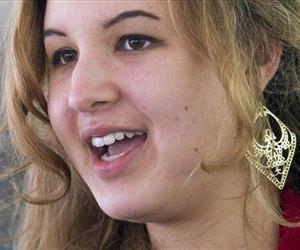
West Virginia Republican State Delegate candidate Saira Blair campaigns at the Eastern Panhandle Business Association luncheon at The Purple Iris Restaurant in Martinsburg, Va., Friday, Sept. 12, 2014.
 (AP Photo/Cliff Owen)
http://blogs.wsj.com/washwire/2014/11/04/west-virginia-elects-americas-youngest-state-lawmaker/
By:  Kris Maher

1)  What is an appropriate age for making laws?  What advantages (if any) did she have over her opponents? Disadvantages?

2)  Why might young people feel differently about this than older?  Who should feel more pressure to act now, teenagers or senior citizens?    

3)  To what degree can this situation be compared to the business world?  How is politics like sports?  Have 18 year-olds always had access to the job of law making?  

4)  What if she were 17?  21?  What if this was in your state?  What should happen if she quits college to become a full-time legislator?  What if she was a Democrat?  Libertarian?  Could this happen in other countries?  

5)  To which state other than her own is this most relevant?  What are the long-term impacts on her district?  The country?  

Extension Activities:

1)  Students can analyse the trends in age representation for their state's legislature over the last 20 years.

2)  Students can highlight instances of young lawmakers in the country/world and compare their similarities.

3)  Students can outline the key moments in American legislation that affected young people the most.


Monday, October 27, 2014

Father's Birthday Gift Makes 19-Year-Old a Multimillionaire

Chicago teenager hits lottery jackpot on her 19th birthday

undefined
Photo: Eyewitness News
http://abc7chicago.com/news/chicago-woman-wins-$4m-lotto-on-19th-birthday/364288/

By:  Rosa Prince

1)  Should teenagers be millionaires?  How can I find a trusted source on the number of millionaires in the U.S.?  Do teenagers who earn their money appreciate it more than those who inherit it?  How do you know?  What happens to taxed income from lottery winnings?      

2)  Would I feel different about this story if it were about me?  About my cousin?  About someone who supports Republican/Democratic candidates for office?  How might an IRS agent and her father agree on her winning?

3)  Is this similar to inheritance?  How is it different?  How is the lottery like genetics?  Why might mathematicians be better at gambling?  Worse?  

4)  What would happen if she was one year younger?  20 years older?  What would you think if she was taxed 90% on her winnings?  2%?  What would happen if lotteries were outlawed in the U.S.?  

5)  What might the impact of this issue be on the winner?  Her family?  Her community?  What "lottery" have you won?    

Extension Activities:

1)  Students can study the history of the lottery and map the winners of the some of the largest jackpots.
2)  Students can track the rate of returns on different investment strategies with projected lottery winnings.
3)  Students can create a "Bucket List" if they win a similar amount and present their plans.  

Thursday, October 23, 2014

Is High School Football Too Dangerous?

Three high school football players have died this week alone

-Mike Barry
Stephen Dunn/Getty Images


1)  What statistical information can help us understand this issue?  Can anecdotal evidence help us understand the situation?  What are thee limits of the word"dangerous"?      

2)  Why might the mother of this student and a team mate have similar opinions?  Different?  Should NFL commissioner Goodell's opinion matter more than your math teacher's?    

3)  Are there other sports with similar issues?  Are there other areas of life dealing with the balance between danger and pleasure?  Should cars be banned if we know they are linked to the physical harm of teenagers?  What about mental/emotional harm?  

4)  What might happen if football was banned in public schools?  What might happen if all forms of competition was banned?

5)  Is this problem prevalent enough to warrant a debate?  To whom is this issue most relevant?  

Extension Activities:
1)  Students will advocate for the inclusion of video games to the state's high school athletic association by comparing and contrasting traditional sports.  
2)  Students will review the school's policy on concussions and make recommendations if needed and explain why they might be adequate.
3)  Students will design the ultimate "safe" sport to play as an alternative to "dangerous" sports.


Update:
http://www.slate.com/blogs/the_slatest/2015/01/28/football_age_12_cognitive_capacity_study_says_earlier_play_could_be_especially.html