The 5 Habits Framework
2) Perspective (Who might think differently?)
3) Connections (What other areas of knowledge are connected?)
4) Supposition (How might it be different if..?)
5) Significance (Is this important?)
Thursday, February 4, 2021
Six Flags Qiddiya unveils plans for world’s longest, fastest and tallest roller coaster
Friday, December 18, 2020
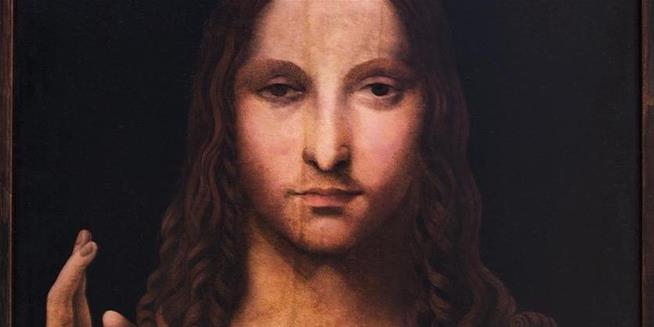
Stolen Copy of World's Most Expensive Painting Is Found
https://www.newser.com/story/301485/stolen-copy-of-worlds-most-expensive-painting-is-found.html
1) What numbers are used in the article as evidence of authenticity? How is evidence used in art to determine authenticity?
2) Whose perspective is represented in this story? Whose perspective is left out? Why might an Italian feel differently about this than a Brit?
3) In what way is this connected to science? In what way is this connected to the last movie you saw?
4) How might this have been different if it happened one year from now? In what ways might this situation have been resolved quicker?
5) How is this significant for students? In what ways might this be significant for Italy?
Extension Activities:
1) Students can research famous art heists and rank them on a scale of significance.
2) Students can research the most valuable pieces of art and plot the figures on a chart where they get to choose the x and y axis labels.
Friday, October 5, 2018
Family of Teen Sues School to Play on JV Team
He was cut from the Ladue High soccer team. First his family cried foul. Then they sued.

https://www.stltoday.com/news/local/education/he-was-cut-from-the-ladue-high-soccer-team-first/article_a8eb5429-4355-5357-9aa2-a3c6eababeaf.html
1) What evidence is being used to prove discrimination or non-discrimination? What evidence do you find most convincing? How are numbers used in this story to persuade the reader?
2) To what degree is one perspective promoted over another in this story? In what ways might the teen's perspective differ from his parents'? How could you view this story from both the school's and the family's perspectives?
3) To what degree is this connected to your school? How might this be connected to Harry Potter? To the Academy Awards?
4) How could the coach's rationale change if this was a different sport? How could this be different if the student was 2 years younger? Older? In Colombia?
5) In what ways is this significant to you? What are the long-term consequences for the school? For the student? What is a piece of information that could make this significant for a student at this school in the future?
Extension Activities:
1) Students can research and report about famous athletes/artists who got cut/rejected from teams early in their career trajectories.
2) Students can devise an equitable plan/policy/advice for students who find themselves in a similar situation.
Friday, September 28, 2018
Authorities Investigating Tourist Riding Crocodile
Picture: Niels Jensen/Caters NewsSource:Caters News Agency
1) What makes this story credible? What more information do I need to understand this problem better? What numbers are used in this story to give a value judgement of the tourists actions?
2) Were the perspectives in this piece generally positive or negative about the man's actions? How is my own perspective limited in making a judgement about this story? How might this story be perceived differently in different parts of Australia? In different parts of Denmark?
3) Have you seen something like this before? In what ways is a connection to "Crocodile Dundee" or "The Crocodile Hunter" appropriate? To which classic fairly tale or story is this most connected?
4) How might this story be different if the tourist's nationality were changed? To what degree would this be newsworthy if there were fewer media outlets in Australia?
5) What might be some ways this story is significant for Australian tourism? Environmental efforts?
Extension Activities:
1) Students can study tricks of zoologists to keep animals docile when humans are around and look for patterns between groups of animals (reptiles and mammals)
2) Students can list animals common to their area and rate on a continuum "most dangerous" to "most friendly".
Wednesday, April 5, 2017
A Guide to What Teenagers Think is Cool
What is Lit?

Just some teens, enjoying the coolest brands. (Getty Images/ISTOCKPHOTO)
https://www.washingtonpost.com/news/wonk/wp/2017/04/04/teens-think-axe-body-spray-is-cooler-than-espn-mcdonalds-or-vice/?utm_term=.d39e2f77f4a1
https://storage.googleapis.com/think/docs/its-lit.pdf
1) What evidence is presented in these resources? Is it compelling for the conclusions the authors come to? What are the limits in surveying people for research? To what degree can one trust the conclusion of YouTube being the "coolest" brand?
2) Whose perspective is represented in the articles? Whose perspective is not represented? In what ways are teenagers' perceptions different than their parents? Why might a Pewdiepie subscriber think about this report differently than someone who has never heard of this YouTuber?
3) In what ways can this report connected to the environment? To government and politics? Education?
4) To what extent would this report have been different if they extended the age range 3 years above and below? How might these resources be
5) In what ways is this significant to you? What are some assumptions about teenagers? About the field of advertising? What are the long-term consequences of this report? Short-term?
Extension Activities:
1) Students can research the techniques used to sell products and bring in ads that use these techniques. They can then compare them to early techniques in marketing (i.e. Listerine).
2) Students can create an guidebook of new words for teachers to be aware of and update it throughout the year. They can then chart the use and disuse of slang words throughout different periods of time through research or by interviewing family members.
AoK: Human Sciences
WoK: Language
Friday, February 3, 2017
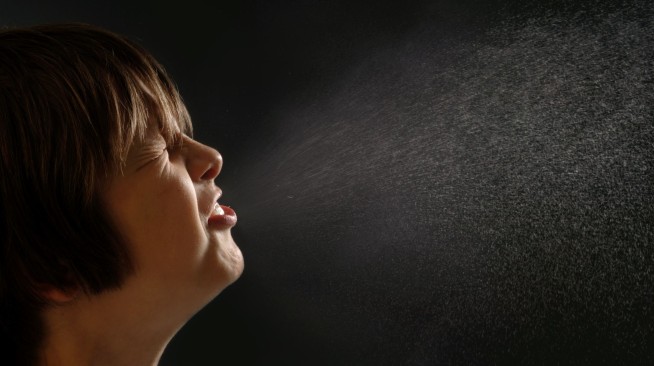
Wasteful Spending? US Gov Spends $2M, Finds Out Kids Like Food Un-Sneezed On

(Getty Images/mammamaart)
https://www.washingtonpost.com/news/powerpost/wp/2016/11/30/should-the-u-s-spend-200000-on-how-500-year-old-fish-bones-relate-to-tanzanian-social-status/?utm_term=.6218dd1cef44#comments
1) Which numbers are used as evidence in this article? What evidence is used by politicians as "appropriate" or "too much" spending?
2) Why might a scientist have a different opinion on this than that of a builder? Whose perspective is left out?
3) In what ways is this connected to sports? Instagram?
4) How might this be different if it was written by a scientist? What would happen if the government did not fund scientific research in the non-STEM related field?
5) What are some basic assumptions about government? The role of science in society? How are those assumptions reinforced in this article? How are they undermined?
Extension Activities:
1) Students can research the history of breakthroughs/inventions that have their roots in seemingly trivial experimentation and create a top ten list.
2) Students can research Bell Labs/Raytheon and NASA/NSF for the various ways the government and the private sector approach research and development.
AoK: Natural Sciences
WoK: Emotion
Thursday, November 17, 2016
Texting Mistake Leads to New Plans for Thanksgiving

(Twitter)
http://mashable.com/2016/11/16/grandma-texts-wrong-teen-thanskgiving/?#JSfFo5r7VEqU
1. In what ways did questions of evidence come up in this story? How do we know what is true on social media? What evidence would you need to verify someone's identity from a number you didn't know?
2. Whose perspective is represented in this story? Whose is left out? In what ways is your perspective limited when reading this story? With whom do you identify most? Why might a teenager have a different perspective than a senior citizen?
3. In what ways is this connected to history? In what ways is this connected to transportation? Star Wars?
4. How might this be different if the gender roles were reversed? If this was in India?
5. What are the basic assumptions of the role of a grandmother? The Thanksgiving holiday? In what ways is this significant to you?
Extension Activities:
1) Students can research the term "doxxing" and decide if this falls under the definition and debate for their viewpoint.
2) Students can invite someone they normally wouldn't invite to a celebration and reflect on the experience from planning to implementation.
AoK: Ethics, History
WoK: Reason, Imagination, Emotion
Wednesday, October 12, 2016
Single Mother Returns Money from Broken ATM
Bank Customer Lauded for Honesty

(Getty Images)
http://www.delcotimes.com/general-news/20161005/cop-shop-woman-does-the-right-thing-after-gift-from-atm
1) What could be used as evidence that this story is a fabrication? What are the limits of financial records as evidence? What are the limits of video evidence?
2) Whose perspective is represented? Left out? In what ways is your perspective limited on this story? Why might the CEO of Wells -Fargo feel differently about this story today than 3 years ago?
3) In what ways is this connected to social media? Marvel Comics?
4) How would the story be different if it was a man? A woman of a different race? A larger amount of money? A smaller amount? A bank teller was responsible?
5) To whom might this be significant? What are some basic assumptions about honesty in financial dealings?
Extension Activities:
1) Students can rank which items are the most immoral to steal a. a car b. a painting c. pirated music d. bread for a hungry family. and then research Kant's categorical imperative and re-rank
2) Students can write a short story of a character who one day finds $133,000 dollars was deposited into their bank account.
AoK: Ethics
WoK: Emotion
Friday, October 7, 2016
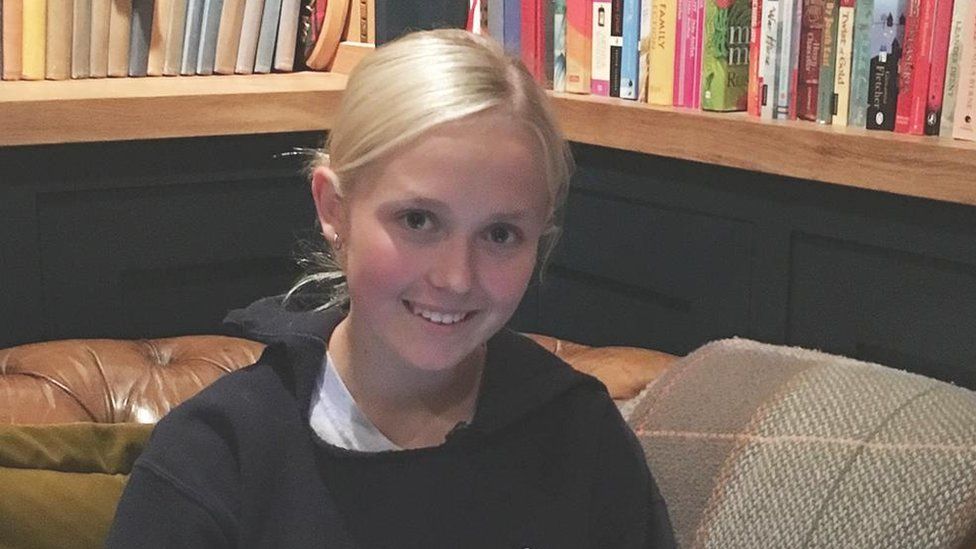
UK Girl Makes Money Naming Chinese Babies
16 Year Old Has Helped Name 200,000 Children

http://www.bbc.co.uk/newsbeat/article/37255033/a-16-year-old-british-girl-earns-48000-helping-chinese-people-name-their-babies
1) What numbers are of significance in this article? What evidence would be helpful to the clients that their name is appropriate? If you were seeking a Chinese-influenced name?
2) Whose perspective is represented in this article? Whose is left out? In what ways might a mother's perspective be different than a child's?
3) In what ways is this connected to the culinary arts? Sports?
4) What might happen if a Chinese young woman is discovered doing the same for Europeans?
5) In what ways is this significant? What are some basic assumptions about naming children?
Extension Activities:
1) Students can research popular names over time and analyze frequency charts to make predictions about the likelihood of people of different ages having certain names.
2) Students can read the chapter of Freakonomics discussing names and how they are connected to social status and predict the names of the future indicating education level or relative wealth.
AoK: Human Sciences
WoK: Language, Imagination
Wednesday, September 7, 2016
Canandian Teenager Calls 911 on Her Parents
Teen Upset With Vacation Spot

(Wikimedia Commons/By P199)
https://www.thestar.com/amp/news/gta/2016/08/20/teen-girl-calls-911-after-parents-forced-her-to-vacation-with-them.html
1) What evidence would help the teen prove her point? What evidence would help the police convince the teen that her use of 911 was inappropriate?
2) Whose perspective is represented in this story? Whose is left out? In what ways might your perspective be different than your teacher's about this story?
3) To what degree is this connected to math? Geography?
4) How might this have been different if it occurred in the U.S.? About Disneyland? If the young woman was 9? 19?
5) To whom might this be significant? What are the short term effects of this? Long? What are the basic assumptions about emergency management services? Teenagers?
Extension Activities:
1) Students can research vacation spots and write a series of diary entries from the perspective of a disgruntled teenager to describe the major features and landmarks of thee location.
2) Students can research emergency management and create a frequency spectrum of likely scenarios and responses based on statistical information available for your hometown.
AoK: Human Sciences, Ethics
WoK: Imagination, Language
Thursday, August 4, 2016
Umpire Ejects a Heckling Fan
Ump Stops Game to Throw out Unruly Fan

Thursday, July 28, 2016
The Case for Critical Thinking in an Election Year (WARNING-POLITICAL POST)
Tuesday, May 31, 2016
Basketball Skills Run in the Family
Basketball players are more likely to be related to elite athletes than baseball, football players

New York Knicks' Robin Lopez is defended by his brother, Brooklyn Nets' Brook Lopez, during an NBA game in April. (AP Photo/Frank Franklin II)
http://www.newser.com/story/225714/basketball-more-than-any-other-major-sport-is-a-family-affair.html
1) What numbers are the most significant in the article for convincing soeone that basketball is unique in this instance? What role do statistics play in sports? What words help you identify the main idea of this article?
2) Why might a sibling of a professional athlete feel differently than a parent after hearing this? To what degree would a world-class musician identify with the results of this study? Why might this be a good article to read in a class of academically gifted students? Whose view is not represented in this article?
3) In what ways is this story connected to math? Politics? Harry Potter?
4) How might this story be different if the basketball rim was raised by two feet to twelve feet? In what ways would this be different if it was about actors and actresses?
5) What are basic assumptions about talent in athletics? About hard work vs. natural ability? About competition? To whom does this study matter?
Extension Activities:
1) Students can try to create a sport or change the rules to an existing sport that minimizes the effects of inherited physical ability.
2) Students can fictionalize their own life story by writing about a real or imaginary sibling who always overshadows them or who is always in their shadow.
AoK: Human Sciences
WoK: Sense Perception
Tuesday, May 3, 2016
Study Confirms the Harmful Effects of Spanking
Science Shows How Physical Punishment May Change Personality

Wednesday, April 27, 2016
Man Sets Record for Binge Watching

1) What evidence is used to prove records? How might the the Guinness Book of Records have become the authority on world records? Would yo have chosen these rules to enforce? Anything you would add or clarify?
Monday, April 18, 2016
Coke Wins Lawsuit over Pomegranate Juice Content
Jury Says .3% is Enough

Minute Maid stopped making its Pomegranate Blueberry juice in 2014. (AP)
http://www.newser.com/story/222453/jury-cokes-3-pomegranate-juice-was-a-ok.html
1) In what ways does this affect POM? How does a jury know what is true in a case like this?
2) In what ways might a father feel differently about this than an executive at Coca Cola? Why might an Indian feel differently about this than an American?
3) To what degree could this be thought of as a math problem? Health?
4) How might this have been different if it was advertised as apple-pomegranate juice? In what ways would this article have been different if it was about pears?
5) What are the basic assumptions about health in this article? To what degree does this affect you? Your community?
Extension Activities:
1) Students can research the marketing behind "super foods" over the past decade and use the same tactics to promote a new food of their choice to be in included in the list.
2) Students can write a law for rules and ethics in advertising associated with the amount of the marketed or primary ingredient.
AoK: Math, Human Science
WoK: Reason, Language
Monday, March 21, 2016
Waitress Not Tipped for Unique Hairstyle
Customer Left Note that said "Tips are For Normal Looking People"

(Shutterstock)
http://www.newser.com/story/222251/waitress-stiffed-for-not-looking-normal.html
1) How do we know what is true in this article? What evidence is useful in determining the "unspoken rules" for tipping?
2) Whose perspective is being represented in this article? Whose perspective is not represented in this article? Why might a teenager feel differently about this than a senior citizen?
3) In what ways is this connected to math? Technology? Traveling?
4) How might have this situation been different if the employee was a man? If it happened in a Red Lobster?
5) To whom is this significant? What are the basic assumptions about tipping in your culture? Customer service?
Extension Activities:
1) Students can research the history of tipping in America and provide a list of situations that require tipping and calculate percentages for "excellent customer service".
2) Students can research tipping culture in other countries and write a guide to tipping for a country of their choice.
AoK: Ethics
WoK: Language, Perception
Thursday, January 14, 2016
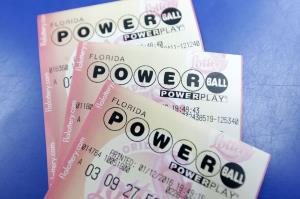
That Moment When You Think You Won Powerball

(AP Photo/Alan Diaz)
http://abc7ny.com/news/video-nj-workers-ecstatic-after-thinking-they-won-the-powerball-(hint-they-didnt)/1156511/
1) What evidence did the employees use to confirm their numbers? In what ways might this experience strengthen their decision-making abilities for the future? Weaken?
2) Why might the manager's reaction be different than that of the dishwasher's or valet's?
3) In what ways is this connected to the concept of celebrity? To what degree is this connected to religion?
4) How might this story be different if it was school employees? Google employees? In China?
5) What are the underlying assumptions about money and work expressed in this article? How important is money to you? In what ways might a large lottery jackpot improve your life? In what ways might it be a detriment?
Extension Activities:
1) Student's can write a series of apology texts form the perspective of a person mentioned (or not) in the article (i.e. the sender of the wrong numbers, the valet)
2) Students can calculate the odds of winning the Powerball Jackpot and compare it to other unlikely scenarios (i.e. Shark Attack, Vending machine serious injury, hole-in-one in golf)
AoK: Math
WoK: Reason
Friday, December 18, 2015
Nicki Minaj to Perform in Angola
Should Celebrities Appear for Leaders Known for Oppression and Brutality?
http://www.nytimes.com/2015/12/17/world/nicki-minaj-concert-in-angola-draws-human-rights-complaint.html?pagewanted=all
1) What evidence would sway your opinion one way or the other? Does the amount of money make a difference?
2) In what capacities might Beyonce think about this differently than Nicki? Your sibling and the daughter of Dos Santos?
3) In what ways is this connected to sports? To Martin Skrelli and Bernie Sanders? Schindler's List?
4) Would you change your mind if you found out people in the country with your religious beliefs were being persecuted? Hair color? About North Korea? Germany in 1942? Mongolia in 1210?
5) To what degree does this affect you? What is the short term consequence? What are the underlying assumptions about pop stars that affect this story?
Extension Activities:
1) Students can chart the responses of their classmates and teachers on the amount of money they would take to perform in a similar situation and analyze their results.
2) Students can write a series of 5 tweets to Nicki Minaj supporting or protesting her decision and predict the outcome of a fictitious back-and-forth with an online opponent.
AoK: Ethics
WoK: Reason
Tuesday, November 24, 2015
Facebook to Introduce Features for Breakups
Facebook Will Erase Your Ex

http://www.dailydot.com/technology/facebook-break-up-features/
1) What evidence does Facebook use to indicate the end of a relationship? Which numbers would be most convincing that this is a valuable resource? Whose opinion on this matter would give the most credence?
2) In what ways would a divorce lawyer and a marriage counselor differ in opinion? Why might Mark Zuckerberg and an artist have different opinions? Whose perspective is left out of this article?
3) In what ways is this connected to health? To what degree is this connected to geography? How might we view connections between this update and Facebook's new logo redesign?
4) In what ways would this story be different if Facebook made you pay for this service? How might this be different if it was paired with news that Facebook was acquiring an online dating website?
5) What assumptions does the article make about modern dating? What are the short-term implications for psychology? What are the long-term implications for Facebook's finances as a result of this issue?
Extension Activities:
1) Students can draw comparisons to this article and the Pope poem "Eternal Sunshine of the Spotless Mind" and design a Venn diagram showing contrasts and comparisons.
2) Students can write an advertisement for the new service.
AoK: Human Sciences
WoK: Emotion, Ethics