The 5 Habits Framework

1) Evidence (How do I know what's true?)

2) Perspective (Who might think differently?)

3) Connections (What other areas of knowledge are connected?)

4) Supposition (How might it be different if..?)

5) Significance (Is this important?)
Showing posts with label sports. Show all posts

Thursday, August 4, 2016

Umpire Ejects a Heckling Fan

Ump Stops Game to Throw out Unruly Fan


Screen Shot 2016-08-02 at 6.27.52 PM
(USA Today)

1)  What numbers are used in this article as evidence?  What evidence would a judge need to determine if the umpire acted accordingly?      

2)  Whose perspective is left out of this article?  Why might the owner of the team feel differently than the child of the umpire?

3)  To what degree is this connected to education?  Economics?

4)  In what ways would this story be different if it happened during an Olympic event?  

5)  What are the short term consequences of this ejection?  To whom might this be most significant?

Extension Activities:

1)  Students can create a continuum of fan behavior from the positive to the negative.

2)  Students can research the history of booing or cheering from a cultural perspective and write a small guide of do's and don't's for first-time visitors.   

AoK:
WoK:

Thursday, April 9, 2015

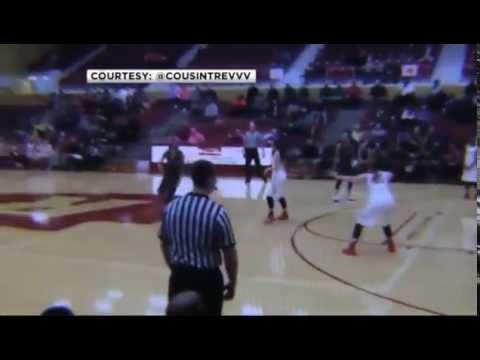
Basketball Teams Competing to Lose

Tennessee Girls Teams Banned from Post Season


http://www.nbcnews.com/news/us-news/tennessee-girls-high-school-basketball-teams-banned-both-trying-throw-n312011

1)  What evidence is most credible in determining if these teams were trying to lose?  Is this cheating?  What information would help you determine this?  To what degree is the referee's judgment more important than a parent's?  Is a $1500 fine enough?  How do you know?  

2)  Why might a referee feel differently than a coach in this game?  Why might a 5th grader playing basketball feel differently than a senior on this team?  How might one view this differently if they hated sports?

3)  In what ways is this connected to taking a test in math class?  In what ways is this like a parent letting their child win at a board game?    

4)  What would happen if they competed to the best of their ability?  What would happen if they cancelled the tournament?  What is another strategy they could have used to avoid playing a more difficult team?

5)  What are the short term consequences of this game?  Long term? Have you ever been in a situation that required you to not perform your best?  Is this a bigger issue than just one basketball game?

Extension Activities:

1)  Students can research and present a list of sports cheating scandals and make an argument for this situation being on the spectrum of offenses.

2)  Students can create a variant of basketball that requires them to score the fewest points and create a mock training/instructional video for recruitment.


Thursday, April 2, 2015

Exoskeleton Boots Put a Literal Spring in Your Step

Ratchet Boots Make Walking 7% Easier

(Carnegie Mellon University College of Engineering)


1)  What are the main components of the prosthetic?  How do you know?  What is the best way to test the device for widespread use? What evidence would be most compelling in convincing your gym teacher that these should be used in class?   

2)  Why might an athlete view this differently than a military veteran?  In what ways might someone from the 1800's view this differently than someone from today?  

3)  To what degree is this related to history more than art?  How is this connected to religion? 

4)  Is there a reason these should be banned?  What would happen if we had similar devices for all limbs?  What might happen if they were only for children?  

5)  In what ways would you benefit from this device?  Who might benefit the most?  What are the long-term effects of this device on people and then society?    

Extension Activities:

1)  Students create a chart of the most beneficial "wearable tech" (glasses, shoes, watches,  Google Glass, etc.)  and rank them according to intrusiveness.  

2)  Students can write a day in the life of a teenager who lives in a world that has adopted mandatory use of these devices.  


Thursday, October 23, 2014

Is High School Football Too Dangerous?

Three high school football players have died this week alone

-Mike Barry
Stephen Dunn/Getty Images


1)  What statistical information can help us understand this issue?  Can anecdotal evidence help us understand the situation?  What are thee limits of the word"dangerous"?      

2)  Why might the mother of this student and a team mate have similar opinions?  Different?  Should NFL commissioner Goodell's opinion matter more than your math teacher's?    

3)  Are there other sports with similar issues?  Are there other areas of life dealing with the balance between danger and pleasure?  Should cars be banned if we know they are linked to the physical harm of teenagers?  What about mental/emotional harm?  

4)  What might happen if football was banned in public schools?  What might happen if all forms of competition was banned?

5)  Is this problem prevalent enough to warrant a debate?  To whom is this issue most relevant?  

Extension Activities:
1)  Students will advocate for the inclusion of video games to the state's high school athletic association by comparing and contrasting traditional sports.  
2)  Students will review the school's policy on concussions and make recommendations if needed and explain why they might be adequate.
3)  Students will design the ultimate "safe" sport to play as an alternative to "dangerous" sports.


Update:
http://www.slate.com/blogs/the_slatest/2015/01/28/football_age_12_cognitive_capacity_study_says_earlier_play_could_be_especially.html